
Frequently Asked Questions
Elvina Lui, PhD, Licensed Marriage and Family Therapist
General Couples Counseling
What happens in the first session?
This is the same for general couples counseling as well as sex therapy. Before we officially start therapy, we need to go over some policies, especially about confidentiality.
Then we will dive right in and talk about the problems. It is a very straight forward process. I will ask both of you, "what made you want professional help? Did something happen?" It's common that couples don't even agree on what went wrong, and you might have very different ideas about what we need to fix. I will guide the discussion to clarify and define the problem(s). Both of you will have a chance to speak.
We will create a common understanding of what both of you want from counseling, these will be the treatment goals.
Once we know the treatment goals, we can create a treatment plan. Similar to physical therapy or personal training, I will offer you options based on what I'm seeing. The interventions I offer will be practical and specific, because different couples need different things. In all likelihood, the plan will require both of you to take action and make some changes in your behavior. I will send you home to carry out these plans and we will meet again to see how things are going.
From this point on, we will track your progress and make adjustments when needed. We will continue to meet until you are happy with the results. There is no committment for you to come back if you feel like it isn't helping. We make each appointment as we go.
Do you take insurance?
I am credentialed with Aetna and Cigna through through the therapy platform Alma. Clients can use their Aetna and Cigna health insurance with me by going through Alma, where the authorization and billing will be done by them.
If you do not have Aetna or Cigna but you have a PPO plan, you should have reimbursement benefits, which means that you can get a reimbursement by submitting a claim. I can provide you with a superbill—an insurance invoice that has insurance codes—that you can submit to your insurance company. You can call your PPO plan to determine what kind of benefits you have. Couples counseling is billed under the code 90847 and is considered a type of family therapy.
How much does a session cost without insurance? What forms of payment do you accept?
The hourly rate for paying out of pocket is $250, it is a full 60 minutes. I accept credit cards, Zelle, Venmo, and checks. You can also use the cards issued by a Flexible Spending Account (FSA) or a Health Savings Account (HSA).
Is there onsite parking?
The building does not have a parking lot, but there is street parking as well as numerous parking garages within the block.
What is your approach to helping couples?
Couples therapy needs to work on two levels: 1). heal from the past and 2). create new behavior to improve current day interactions.
I believe these two things need to go hand in hand for therapy to work. Relationship problems stem from something that happened in the past. We will talk about the past to uncover to root of the problem(s), it will not be a pointless rehashing of old arguments. Think about a physical wound that needs to be cleaned out before it can heal properly. The healing will require one or both of you to forgive and reach closure.
Simultaneously, we need some changes in behavior, to change the day-to-day interactions. You might need to change how you talk to each other. You might need to adjust your weekly schedule and make time for each other. We might need to make agreements about chores.
Therapy is productive if it can achieve those two things–the couple can walk away feeling like there is closure to the past as well as having practical actions they can take to improve their relationship in the present.
Do you use Gottman or Emotionally Focused Therapy?
I do not strictly adhere to the Gottman or EFT model of couples therapy. Instead, I choose elements from both of these schools of couples therapy that I find most useful.
Gottman's method is foward-looking and centered in the present, which makes it very practical. Gottman's method discourages digging around in the past and encourages couples to focus on the present. The approach was directly created out of research results and was not based on any particular school of psychological theory. It rightfully claims to be the most thouroughly researched and evidence-based approach.
In contrast, EFT was created from Attachment Theory and helps people understand how their past shapes their bond with their partner. EFT work requires both people to be inward looking, that they both gain awareness of how they were hurt in childhood and how that pain is triggered in their romantic relationship. EFT teaches the couples how to manage these vulnerable feelings and create a secure bond with their partner.
I agree with both of these approaches and I combine their principals in my approach of couples therapy.
Is couples therapy effective? What is the success rate?
Couples therapy theories and methods have improved greatly in the last few decades, with research showing much higher success rates. I personally chose to specialize in this area because of the high success rate I saw in my clients.
The bigger question is: will couples therapy be effective for you and your partner?
Successful couples therapy requires both of you to be committed to “fighting for” the relationship–a mutual dedication that neither of you will give up and walk away. If both of you truly want to save and fix the relationship, there is a high chance you will succeed, and end up with a happier and stronger relationship.
How frequent and how long will the sessions be, and how long will the entire process take?
The default length of a session is 60 minutes, but you can request one and a half hour or even two hour sessions. The hourly rate is the same.
Typically couples will come in once a week in the beginning, but after we make enough progress, appointment frequency will wind down to once every two or three weeks until your goals have been met. For couples in high conflict or in the midst of a very volatile situation, they may come in more than once a week until the situation is stabilized.
The total duration of therapy could last a few weeks to a few months. It depends on the problem at hand. My personal goal is to help solve things as fast as possible so the couples can go back to living happy lives. I understand the pain of being in an unhappy, dissatisfying relationship, so I am dedicated to help you change that as soon as possible.
How will we know if therapy has been effective? How do we decide when to stop therapy?
Therapy goals are discussed and determined at the very beginning of counseling. The end goal guides the direction of the counseling, to ensure we stay on track and use time productively, as opposed to aimlessly complaining about each other.
When the original goals are reached, therapy can end. Some couples opt to come back once in a while for “check-ups”, but there is always a clear point where the couple knows that they have reached their goal and are ready to end therapy.
Questions About Sex Therapy
Does sex therapy involve sexual acts in the therapy office? Does the therapist coach us while she watches?
Sex therapy with Elvina does not involve sexual acts while in the office and she does not do live coaching. Sex therapy is an extention of talk therapy, but focused on the topic of sex. When appropriate, Elvina will talk about sexual acts and will give sugguestions and instructions for the couple to do at home. The couple might be asked to describe their sexual interactions, and it is up to the couple how much or how little they want to describe things.
What kinds of sexual problems and dysfunctions does Elvina address?
Sex therapy can address a range of sexual challenges that couples face:
Determine if the dysfunction has a medical cause, and make referrals for medical care
Mismatch of sex drive where one partner has a higher libido and the other has lower libido
Erectile dysfunction
Performance anxiety that interferes with sustaining arousal and/or achieving orgasm
Premature ejaculation
Dyspareunia, pain during or after intercourse
Vaginismus, an involuntary tightening or spasm of the pelvic floor muscles that prevent penetration
Sexual aversion or painful intercourse caused by sexual trauma
Internalized shame and guilt about sex, thinking that sex is perverse, "dirty" or "wrong"
Negative body image issues, not feeling attractive
Rebuilding sexual trust and intimacy after infidelity
Returning to sex after a long pause caused by major surgery, giving birth, or other significant life events that disrupted your sex life
Adapting sex to aging and going through hormonal changes

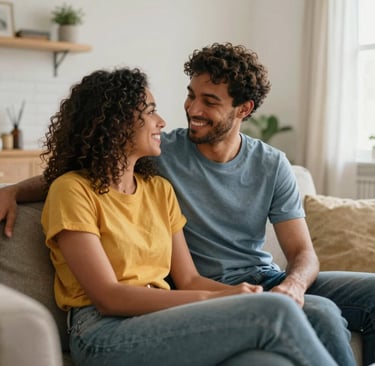







Fall in Love Again and Live Happily Ever After
Life is too short. Don't settle for a mediocre relationship. Get professional help now, it will benefit you for the rest of your life.
Address
16 North Marengo Avenue, Suite 217, Pasadena, CA 91101
Contacts
(626)464-1651
info@elvinaluiphd.com